



“My business needs a branding project, in other words, a brand and visual identity”. Maybe you’ve already come across the term branding. And it’s normal to wonder: is branding just about having a cool name and a beautiful visual identity? The truth is, branding often comes up in conversations about brands, and because of that, it sometimes gets mistaken for visual identity. While the two are definitely connected, they’re not the same thing. And understanding the difference can completely shift the way your business communicates, positions itself, and builds relationships with people.

“Being aware of branding and visual identity principles is essential to build a brand that stays in people’s hearts and minds.”
Ana Couto
We were trained in graphic design and have been working with naming, logos, and visual identities for years. But back in 2015, when we dove into the world of branding, everything started to make more sense. We brought in new tools, a more attentive kind of listening, and a deeper look into each business. That’s when the projects we now call Beloved Brands® were born.
In this text, we want to share what branding really is, and how it can help your business communicate with more clarity, more emotion, and more truth. Because yes, branding absolutely matters for your business, whether it’s micro, small, or medium-sized.
1 – So, what is branding, really?
Branding is so much more than a pretty name or a well-designed logo. It’s actually an entire field of knowledge that helps businesses build real emotional connections with people. You know those brands we trust, admire, and recommend without hesitation? Deep down, that’s the result of a solid branding strategy. Branding works so that your business’s brand isn’t just seen, it’s felt and fondly remembered. That’s what makes it someone’s favorite, even in a sea of other options. And this kind of trust and emotional bond doesn’t happen overnight. It’s the result of careful work, thoughtful decisions and consistent actions over time. At the end of the day, branding is this: taking care of how people perceive your brand, with truth, strategy, and care. And that matters for businesses of every size, including yours.
+ Also Read – Is It the right Time to Invest in My Brand Design?
“Branding is the art of aligning what you want people to think about your company with what people actually do think about your company. And vice-versa.”
Jay Bear
2 – Branding Tools
You might have wondered how to better organize the way your brand presents itself. Or maybe you’ve felt that your company’s communication could be clearer and more aligned with what you truly deliver. That’s where branding tools come in. When we say branding is a discipline, it’s because it offers a set of methods and resources that help organize everything, from communication to product, from customer experience to market positioning. Some tools are more well-known, like market research or defining personas. But branding goes beyond that. It also helps put on paper deeper aspects of your brand, such as purpose, promise, benefits you deliver, value proposition, and even the manifesto, that heartfelt text that speaks about what drives your business. Additionally, elements like tone of voice, name, and visual identity are part of this process. Even the customer journey can be thoughtfully reconsidered so that every touchpoint with your brand makes sense and creates delight.
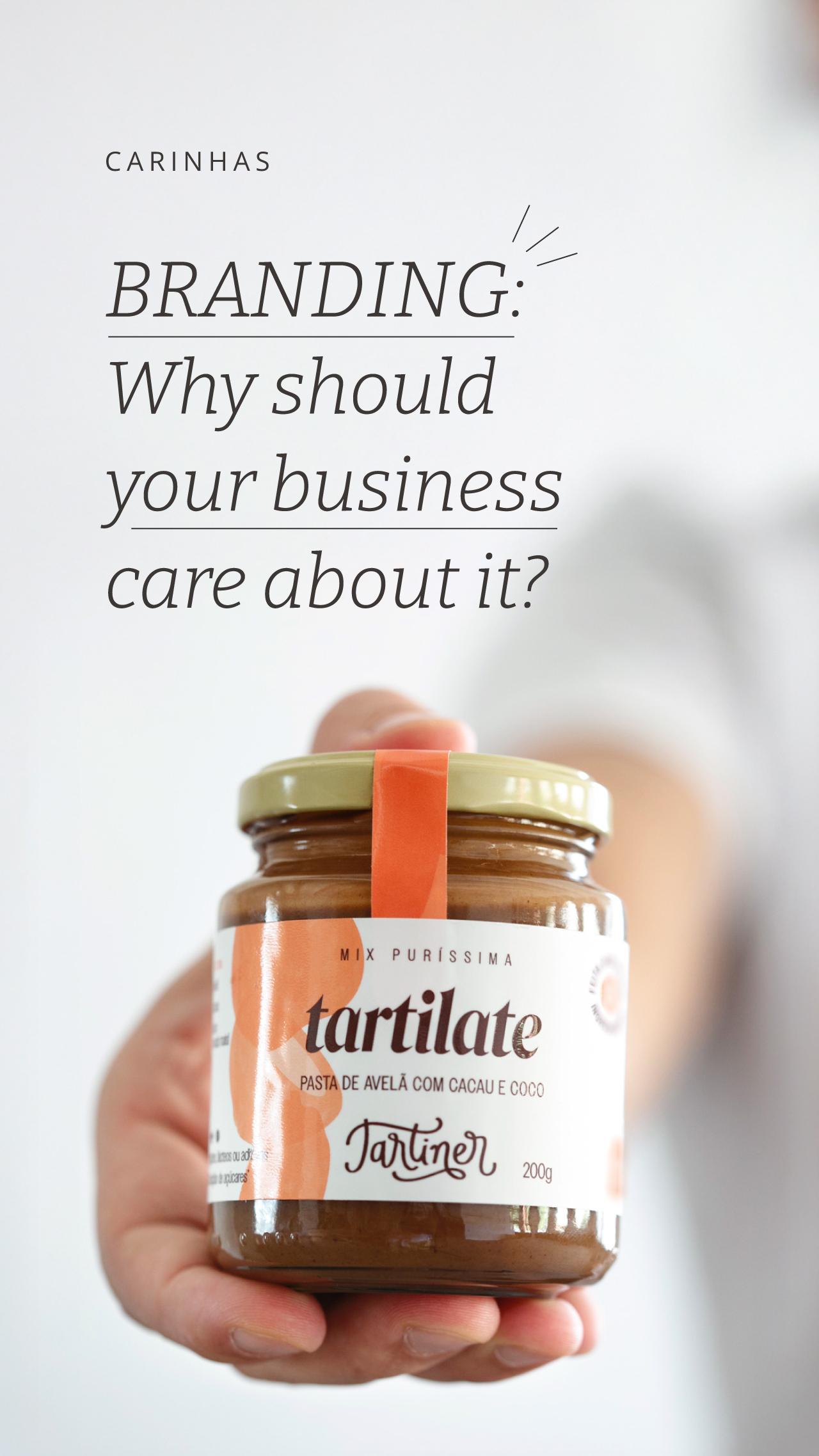
This more complete perspective is exactly what we brought when Tartiner invited us to redesign their packaging line, a brand we had created a few years earlier that had grown quite a lot since then. Before thinking about the new look, we reorganized the offerings, grouped products into lines, reconsidered the names, and analyzed the competitive landscape. During this process, it became clear that Tartiner had changed its positioning: from smooth spreads with a French accent and Brazilian soul to a proposal centered on nuts, healthy snacks, and the clean label principle. This shift allowed for new products like granolas, which wouldn’t have fit the previous strategy. With this redesigned strategic foundation, we were able to highlight important brand differentiators, such as the pleasure of enjoying something naturally sweetened without missing sugar, and the enjoyable, practical habit of snacking on spreads and snacks that are good for you. Only after all this structure was built did we start creating the labels. The visual gained even more strength because it was built on a solid base: the brand strategy.
+ Also Read – Brand Strategy: What It Is and Why Your Business Needs One


Before creating Tartiner’s new labels, we carefully reviewed the brand’s strategy. Photo: Amanda Nunes. See the full project.
3 – Branding Is Not Just Visual Identity (And It’s Normal to Confuse Them)
Maybe you’ve used the word branding thinking it meant “visual identity”. If so, that’s totally okay, it happens to many people. And it’s easy to understand why: both branding and visual identity help create emotional connections with people. They both work to make your brand feel closer, more memorable. But there’s an important difference here: branding is much broader. It acts like an umbrella covering many aspects of the brand, from tone of voice to customer experience, including, of course, the name and visual elements. In other words, you can change the visual identity without having a structured branding process behind it. Just as it’s possible to take care of your company’s branding without necessarily updating the visual identity at that moment. One doesn’t replace the other, but when they work together, the result is much stronger and more consistent.
Amanaki came to us in a new phase of their brand. Years before, we had created their visual identity for a line of comfortable women’s sneakers. Now, with new products in their portfolio, like boots and loafers, the goal was to deliver an even more special experience. They were thinking about including a gift, maybe chocolate or coffee powder, as a kind gesture. That’s when we suggested looking more deeply at the customer journey. From there came another idea: why not something related to foot comfort? So, we created a new brand strategy for Amanaki with the promise “comfortable and stylish in every step” and recommended treats like foot soaks and moisturizers. The logo didn’t change, but the experience transformed. And that’s branding too.

Before thinking about the gift, we mapped Amanaki’s customer journey to create moments of care aligned with the new promise. See the full project.
4 – Branding in Small Businesses
You might be wondering, “Does this really apply to my business?” We hear this question a lot, and we understand where it comes from. Branding still feels like something distant, made only for giant companies. But the truth is that, especially for small businesses, it can make all the difference. If your company is growing, if people know your services and products, but you feel something in the communication isn’t clear, it might be that your brand is presenting itself in a confusing way. Sometimes, every social media post looks different, customer service says one thing, and the brand’s visual style says another. This happens more often than you think, and it can end up pushing people away, even if your product or service is amazing. In these moments, it’s common to think, “I need to change my visual identity”. And you might need to, yes. But without first organizing what’s inside, the decisions, positioning, and how the company should be perceived, that change risks being only aesthetic, with no real effect.
That was pretty much what happened with Le Petit Chéri. They reached out to us to redesign the brand of a café and ice cream shop. But looking more closely at the numbers, we realized the ice cream hadn’t been the main attraction for a while. What really stood at the center of people’s preference were the artisanal breads, products with much more differentiation, value, and demand. The company thought of itself as a café and ice cream shop, operated like a restaurant, diner, and bakery, but was perceived as something else entirely, in other words, there was confusion among the different messages. This explains why the old communication no longer made sense. If we hadn’t looked at this carefully, a new visual identity would only keep the same misalignment. It was only after adjusting the positioning and recognizing Le Petit Chéri as an artisanal bakery that we could create a visual style consistent with this new phase. With everything in order, growth came naturally, and moving to a bigger store was just a natural consequence of that alignment.
+ Also Read – To rebrand or not to rebrand, that is the question
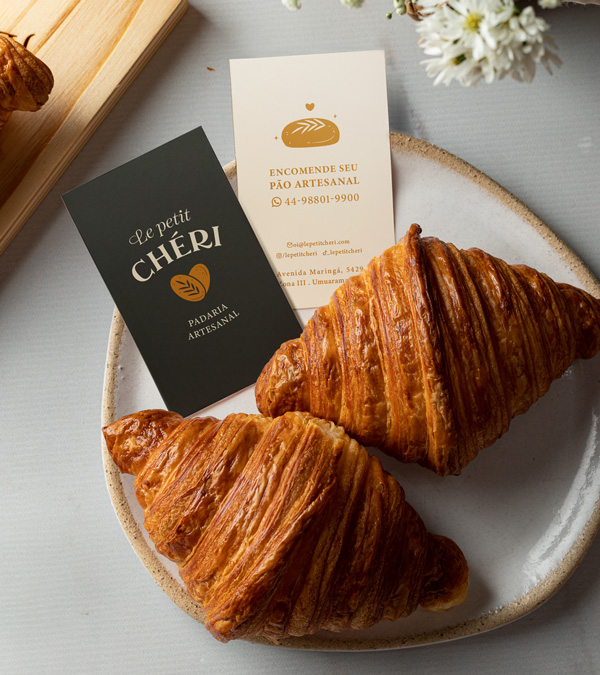
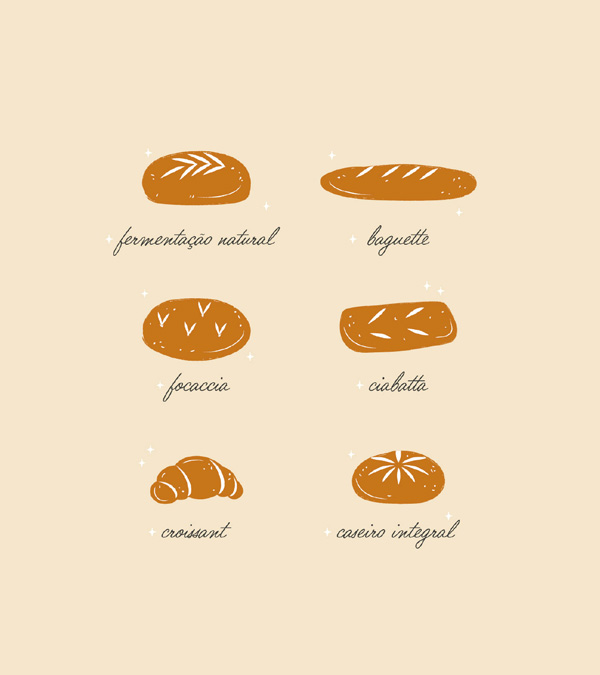
Before creating Le Petit Chéri’s new visual identity, we dove deep into the business to understand what truly made the company stand out. Photo: Mariana Werner. See the full project.
5 – Beloved Brands
We believe a brand doesn’t have to be just beautiful or follow trends. It needs to be strategic. And this applies to companies of all sizes. But it’s common that, in the busy day-to-day of a small or growing business, the visual aspect ends up being treated as just a “pretty finishing touch”. Something to add charm after everything else is already running. The deeper we dive into the world of branding, the more we realize it doesn’t make sense to keep this knowledge only for big companies. Why couldn’t small and medium businesses also have access to tools that help them make decisions with more confidence? That’s how we started adapting this process with sensitivity, offering only what made sense for each company, whether in naming, identity, or the brand as a whole.
And then, something really beautiful happened. We started to see companies gaining clarity, visibility, and new paths. Some grew, others won awards, and others still attracted investments. And yes, in many cases, revenue increased too. We witnessed firsthand the impact of defining a brand strategy before working on the visual side and how this transforms everything. That’s why we call our projects Beloved Brands®: because they are brands built with truth, direction, and emotion, from heart to heart.
This way of seeing and caring for brands pulses through our manifesto: “Passion is a powerful and intense feeling. But winning people over is a responsibility. To touch the heart deeply, it’s necessary to be real, to be visceral. Everyone wants a beautiful brand and an interesting name. We want more: we want to spark passions that touch the heart deeply. For this, it’s necessary to make your company’s authentic personality visible and shining. Beloved Brands give vibrant life, provoke emotions, and transform people. The result is the beginning of a love story for life between real people, from heart to heart.”
+ Also Read – How Does a Visual Identity Come to Life? Our Step-by-Step Methodology
Conclusion: What does this have to do with your small business?
In an increasingly competitive market, branding proves to be a powerful management model capable of placing your brand in a special place: inside people’s hearts. To achieve this, there are many tools and visual identity is just one of them. It’s common that small businesses still face some lack of knowledge or even a bit of disorganization around these topics. But just by getting this far, understanding better what branding is and beginning to reflect on what makes sense for your case, your business is already several steps ahead of most.
Remember: creating a new brand, name, or visual identity goes far beyond making everything look prettier. It’s a dive into the heart of your company, a sensitive diagnosis of how it thinks, feels, and presents itself to the world. Only then can the visual identity truly reflect who it is. If you want to better understand the unique universe of your company and transform it into a Beloved Brand®, we can help you.
+ Also Read – Cents or Millions? How Much Should I Expect to Pay for a Brand Design?
Tell us: had you heard about branding before? How do you feel it shows up in your company’s day-to-day? Let’s chat in the comments, we love exchanging ideas! Does your company need a brand that truly captivates people? Then, let’s create it together, request a proposal!